U.S. Food and Drug Administration (FDA), After Reviewing Historical Use and Modern Safety Evidence, Officially Confirms Kava is a Food Under Federal Law
LOS ANGELES, CA / ACCESS Newswire / December 22, 2025 / The United States Food and Drug Administration (FDA) has officially confirmed that kava is a conventional food under federal law. This acknowledgment marks a pivotal moment in the national understanding of kava, providing long-needed clarity across federal and state systems and affirming that, when prepared and enjoyed as a beverage (i.e. kava tea), kava holds a legitimate and established place within the nation’s food landscape.
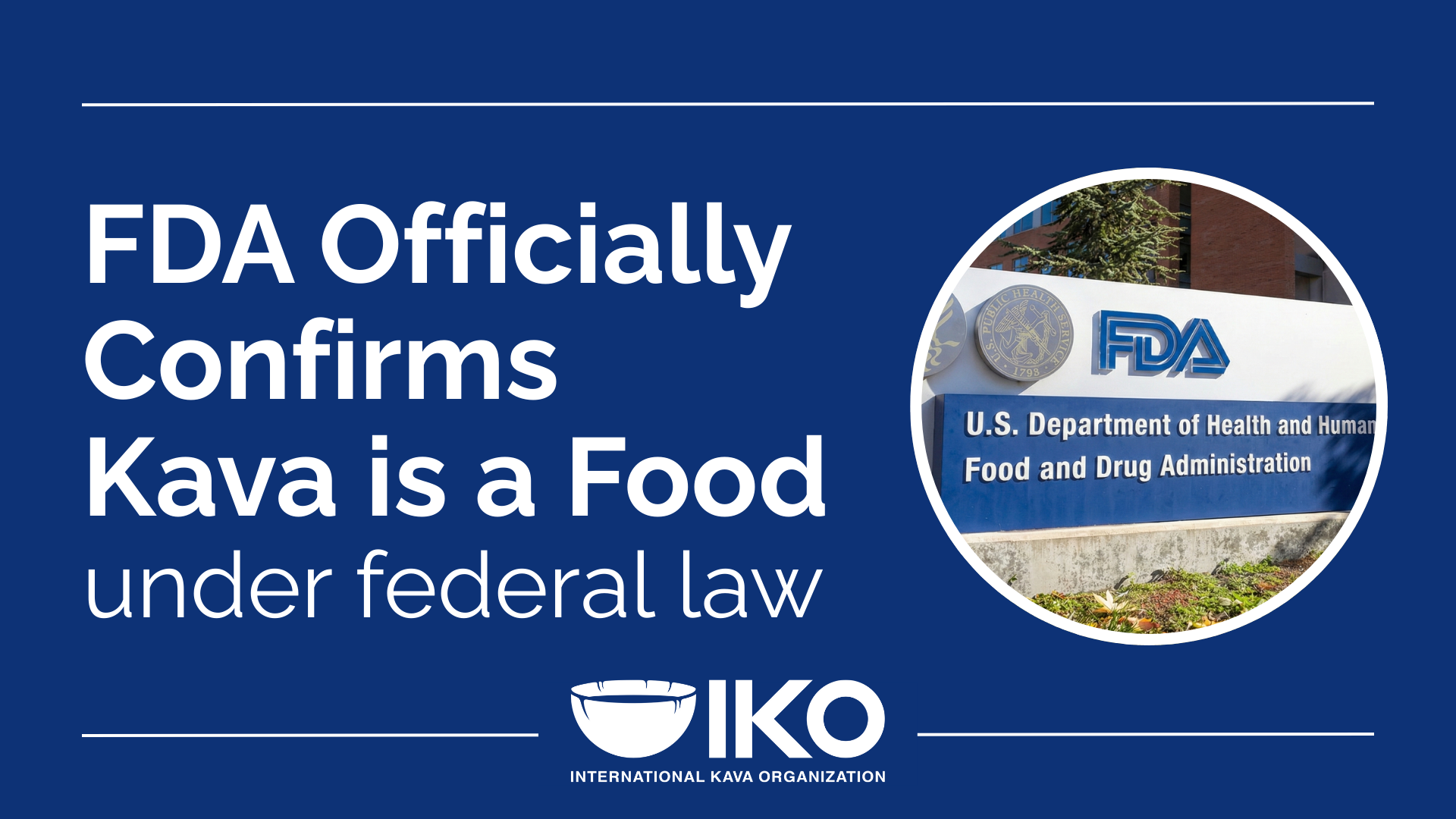
This federal confirmation, issued through multiple FDA case responses, has already guided the State of Hawaii and the State of Michigan, with additional states now reviewing the same evidence, to determine that the kava beverage qualifies as Generally Recognized As Safe (GRAS) based on its extensive history of safe, cultural use. For Pacific Island communities, including Native Hawaiians whose cultural practices, ceremonies, and community life have been intertwined with kava for generations, the people of American Samoa, and the many Fijian, Tongan, and other Pacific Islander families throughout the United States, this acknowledgment carries profound significance. It affirms the deep cultural legacy of kava, strengthens recognition of Pacific Islander heritage in the United States, and honors a cultural food that is now finding an increasingly meaningful place in modern American life.
FDA Issues Written Statements Affirming Kava Tea as a Conventional Food
Kava’s longstanding cultural use as a beverage informs how federal law evaluates traditional foods, and this history shaped the FDA’s recent clarification. When asked to confirm how kava should be treated under federal food law, the agency provided some of its clearest language to date. In responding, the FDA affirmed the classification of the kava beverage and stated:
“You are correct that kava mixed with water as a single ingredient conventional food would generally not be regulated as a food additive if the tea is consumed as food.”
In another communication, the agency reinforces this, explaining that “Kava tea can be considered as a food, provided that the tea and labeling are compliant with FDA’s food safety and food labeling regulations”. These statements draw directly on the federal definition of food under 21 USC 321(f) and align with the FDA’s 1958 food additive statute, which acknowledges substances with a common use in food prior to January 1, 1958 when prepared in their traditional form.
Modern evaluations by the World Health Organization in 2016, along with assessments by the American Herbal Pharmacopoeia and numerous peer reviewed studies, also support the safety profile of kava and align with the FDA’s understanding of how it fits within conventional food standards.
“We can trust the US FDA which now considers kava, prepared in the customary manner, to be a conventional food aligning its classification with the Codex Alimentarius at the United Nations FAO and the WHO. Science evolves, and early concerns have since been clarified in the same way many initial assumptions are corrected over time. When we look at the full body of modern research, kava is one of the safest plant foods we study, closer to a superfood than a risk. Decades of data show a safety profile that aligns with its long cultural history, and the modern scientific understanding overwhelmingly supports what Pacific communities have known all along.”
– Ed Johnston, Kava Scientist, Association for Hawaiian ‘Awa
How food standards should apply to kava
In 1958, the U.S. made a landmark decision about how food should be understood in a diverse nation. Congress passed the Food Additives Amendment, establishing that entirely new ingredients entering the food supply would require FDA approval, while foods with a long history of cultural use would continue to be treated as ordinary foods. This rule protected the rich variety of traditional foods already present in American communities and ensured that cultural practices brought to the United States over generations could continue without disruption. It is one of the reasons the country has been able to embrace such a wide range of cultural dishes, beverages, and food traditions.
Traditional kava fits directly within this framework. It is a beverage with centuries of safe use across Hawaii and the South Pacific, and it was already part of life in Hawaii and American Samoa long before the 1958 law created the distinction between traditional foods and new additives. The FDA’s recent clarification recognizes this history and places the kava beverage squarely alongside other long-established cultural foods that have found their place in the American food landscape.
Impact on Policymakers, Health Inspectors, and Small Businesses
For policymakers and health inspectors, this provides a clear basis for how kava should be approached within existing food safety processes. It establishes that the kava beverage should be evaluated in the same way as other everyday beverages such as matcha green tea or coffee, using the same standards already familiar across the food system. For Pacific Island communities, this clarity carries deeper meaning. It acknowledges a cultural food that predates federal regulation, affirms the continuity of cultural practices, and recognizes the long-standing place of Pacific Island traditions within the broader American food landscape.
For small businesses such as kava bars, cafés, and community gathering spaces, this clarity also provides practical benefits. It offers a consistent regulatory framework that aligns traditional kava tea with other familiar beverages, reducing confusion during inspections and helping ensure that these small establishments are evaluated by the same standards already used across the food and beverage sector. This supports a more predictable operating environment and allows kava-serving businesses to participate in the American food economy with the same transparency and expectations as other culturally rooted establishments.
“For far too long, our cultural food sat in a gray area without the recognition it deserved. Kava is part of who we are as Pacific Islanders, and this confirmation finally affirms what our communities have always known. I feel a deep sense of comfort knowing that our traditions are protected and respected, and that businesses like mine can continue serving a cultural drink that connects us to our identity.”
– Tuni Rafaele, Fijian Owner of DaKava House in Billings, Montana
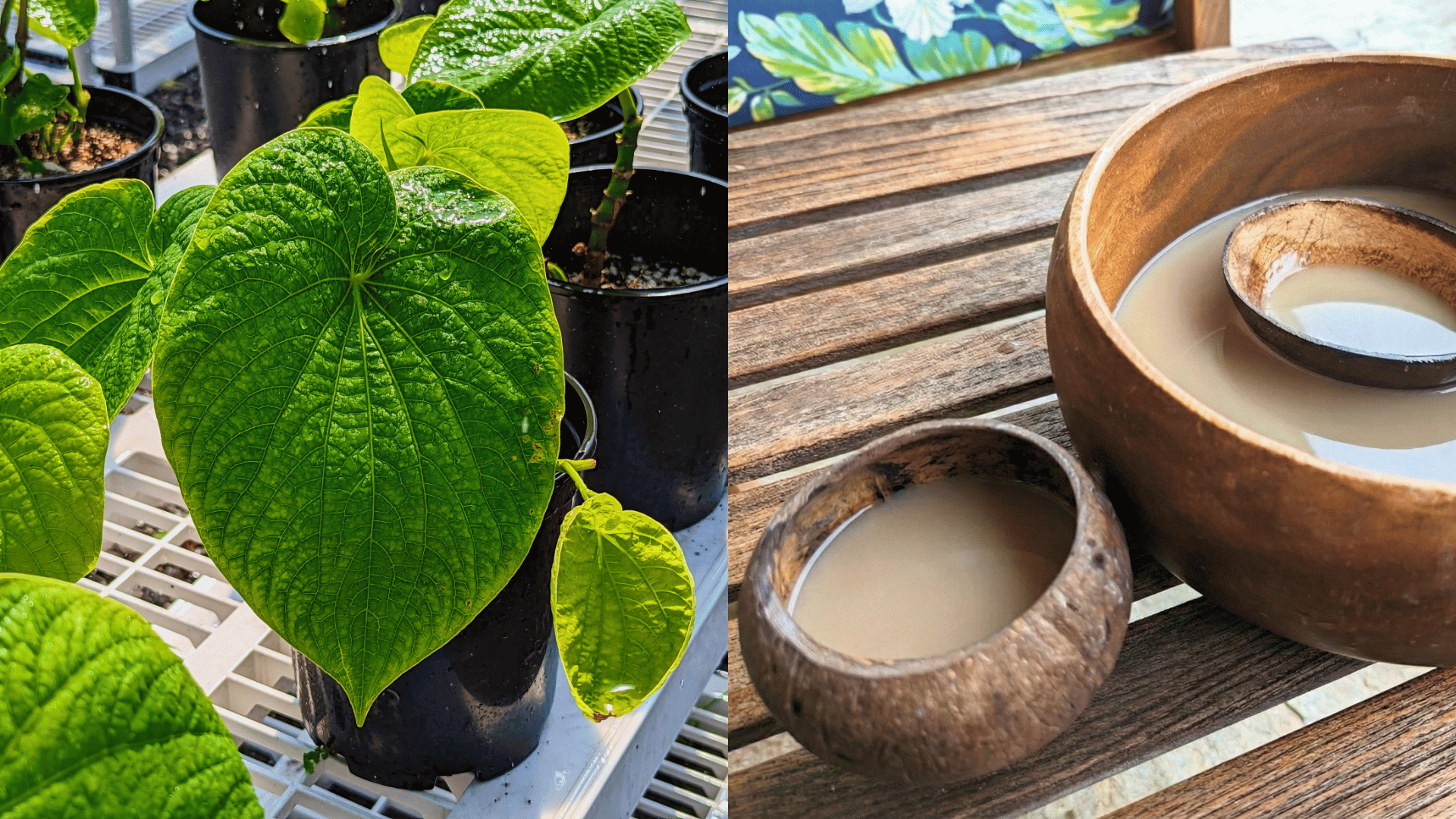
What is kava?
Kava is a tea-like beverage made from the root of the kava plant. The word kava can refer to the plant itself, the root, or the drink prepared from it. It is a shared cultural drink across many Pacific Island communities, including Hawaii, Fiji, Tonga, Samoa, and American Samoa, where it has been part of ceremony, social gatherings, and everyday life for centuries. Kava is valued not only as a beverage but as a source of connection, respect, and community identity. Today, kava also holds an important place in modern American life. Millions of people across the country enjoy kava for wellness and connection, and it is served in kava bars, restaurants, cafes, and community spaces. Kava products are now also available in major national retailers such as Whole Foods and Sprouts.
If you are unfamiliar with kava and look it up online while reading this, you may encounter alarming claims about its safety, including warnings about liver damage. These claims trace back to the early 2000s, when a single pharmaceutical product in Germany that was marketed as a “kava product” caused illness and was later recalled. That incident created confusion and led some countries to place temporary restrictions on kava, even though the issue did not involve the kava beverage. It is comparable to a pharmaceutical product marketed with using green tea being recalled and the public concluding that matcha is suddenly unsafe, even though matcha has been part of Japanese life for centuries.
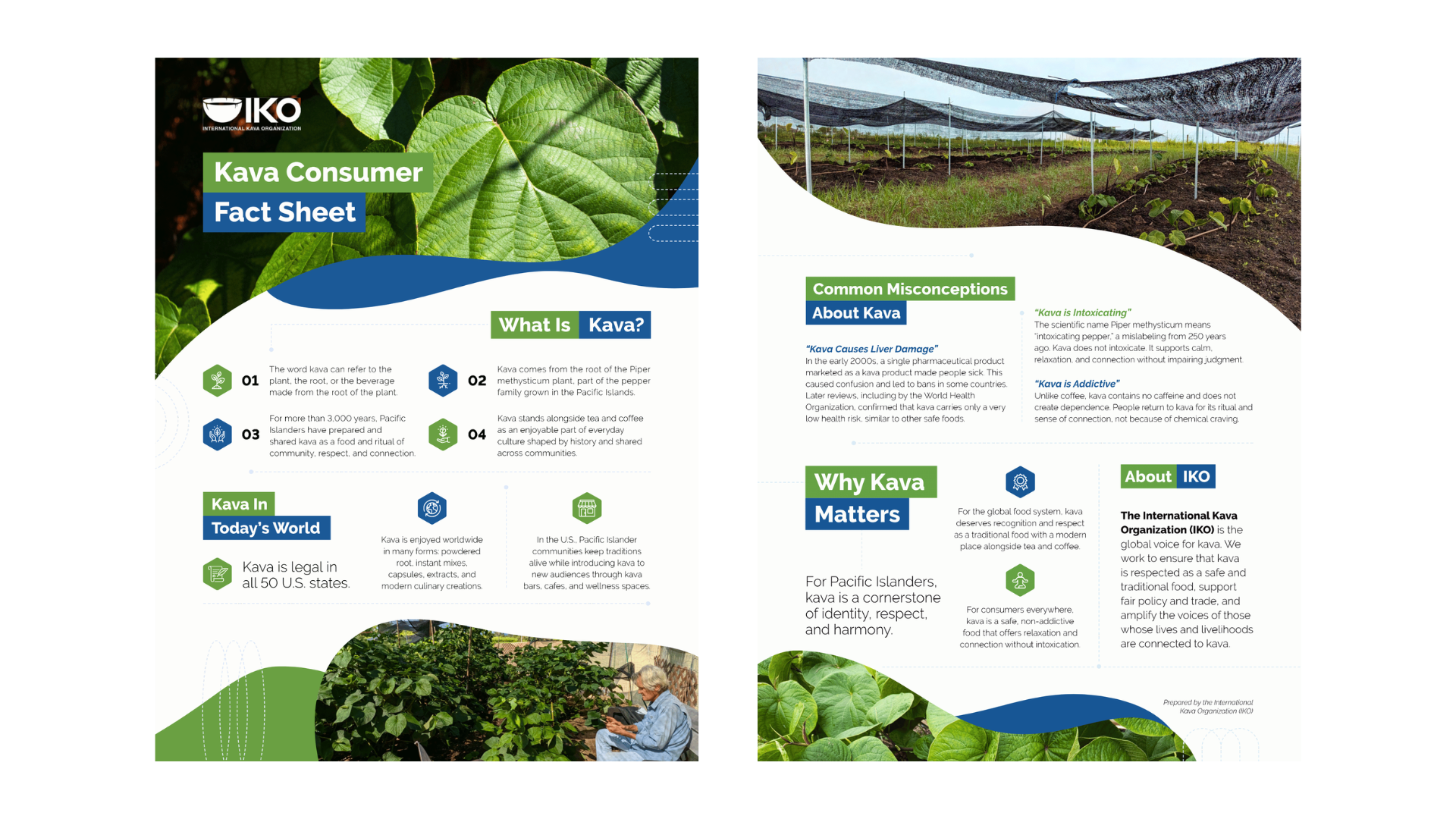
To support public understanding, the International Kava Organization offers a concise kava consumer fact sheet explaining what kava is, addressing common misconceptions, and outlining its role in both cultural and modern life.
A new chapter for kava
The FDA’s recent clarification, the growing alignment among states, and the renewed public understanding of kava’s cultural and scientific foundation mark an important moment for this traditional beverage. They reflect a broader recognition of kava as a meaningful part of American life and as a cultural food that has connected Pacific Island communities for centuries. As more states review the evidence and as public awareness continues to grow, the path ahead is one of opportunity, clarity, and shared respect.
“Growing up Tongan American, with parents born in Tonga, kava shaped how I learned connection and respect. Today, those same practices live on in modern community spaces. The kava circle creates room for open conversation, shared learning, and mutual respect across backgrounds, education levels, and professions. In the circle, every voice matters. As a small business owner and financial professional, and one of the first CFP(R) professionals of Tongan descent, I see kava as both heritage and living practice. Public recognition like this honors our culture and affirms the role kava continues to play in bringing people together.”
– Gilbert Gallahar, MBA, CFP®, Financial Professional
The International Kava Organization remains committed to supporting this progress by providing clear guidance, amplifying community voices, and ensuring that kava is understood and treated in a way that honors its heritage, the modern scientific understanding of kava, and its expanding economic place in the United States. The future of kava is bright, and this moment signals a new chapter for everyone who values this remarkable cultural food.
About the International Kava Organization (IKO)
The International Kava Organization serves as the global voice for kava. It represents American business owners, scientific researchers, cultural practitioners, and Pacific Island farmers. Its mission is to ensure that kava is understood accurately, respected culturally, and guided by science, cultural understanding, and its modern importance rather than misconception.
Press Contact:
press@internationalkava.org
SOURCE: International Kava Organization
Related Documents:
View the original press release on ACCESS Newswire